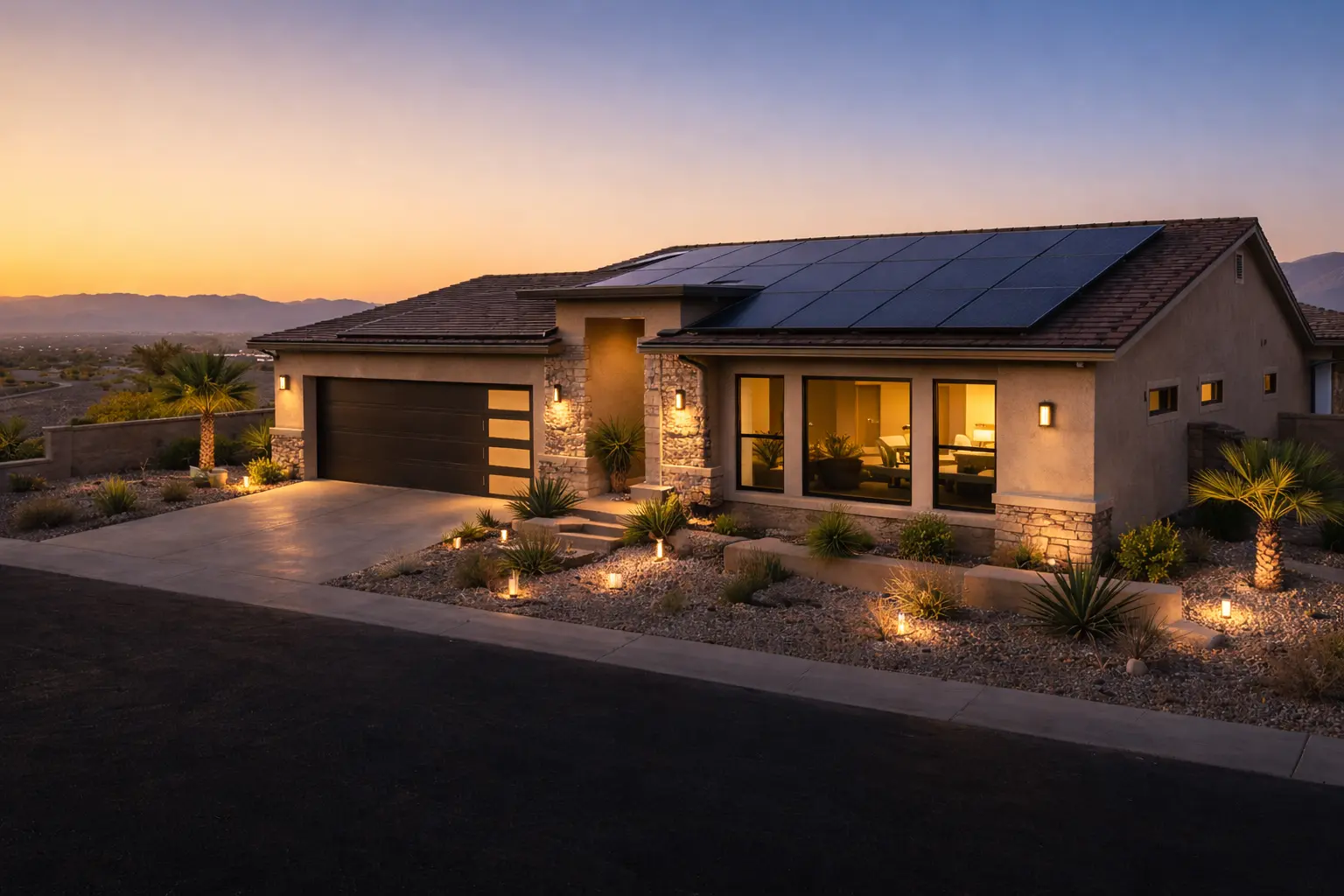
Solar Installers in Tucson, AZ

Tucson is one of the sunniest cities in the country, averaging more than 280 days of sunshine annually — and most homeowners are served by Tucson Electric Power (TEP), whose time-of-use rate structure makes system design a critical factor in long-term savings. With electricity costs continuing to climb and a favorable state tax credit still in place, solar is worth evaluating seriously for most Tucson households.

Is Solar Worth It in Tucson?

Tucson’s combination of abundant sun and rising utility rates creates a strong economic case for solar. TEP customers can see meaningful bill reductions, though savings depend heavily on how well your system production aligns with time-of-use pricing windows. Key factors that shape your outcome:

Which TEP rate plan you’re on (Time-of-Use vs. Demand)
Roof orientation, age, and shading
Whether battery storage makes sense for your usage pattern
Your average monthly consumption and peak usage hours

Utility Overview for Tucson

Tucson Electric Power (TEP) is the primary utility serving Tucson homeowners. Understanding how TEP compensates solar customers is essential before sizing a system.
Tucson Electric Power (TEP)
TEP does not offer traditional net metering. Instead, solar customers are compensated under a net billing program using the Resource Comparison Proxy (RCP) export rate — currently around $0.057/kWh — which is well below the retail rate you pay for power. TEP requires all solar customers to be on a Time-of-Use (TOU) rate plan, meaning when you use electricity matters as much as how much you use. Battery storage is worth considering for TEP customers who want to maximize the value of their solar production rather than exporting at the lower RCP rate.
Bottom line: TEP’s below-retail export rate means solar systems in Tucson are best designed to maximize self-consumption rather than grid export — which changes how a good installer should size and configure your system.

What Solar Costs in Tucson

Most residential systems in Tucson run between 6kW–10kW, with pricing averaging around $2.60 per watt before incentives. Battery storage is increasingly common given TEP’s low export rate — keeping production in-home is more valuable than selling it back. Financing options include cash purchase, solar loans, and lease/PPA arrangements. Before comparing price per watt across quotes, evaluate projected self-consumption, TOU rate alignment, warranty terms, and the installer’s local TEP experience.

Frequently Asked Questions

TEP compensates excess solar generation at the RCP rate — currently around $0.057/kWh — which is significantly below what you pay for electricity from the grid. This makes it important to right-size your system for your actual consumption rather than maximizing production, and is a key reason battery storage has grown more popular in Tucson.
For most TEP customers, battery storage improves the economics of solar by allowing you to use more of your own production rather than exporting it at the low RCP rate. It also provides backup power during outages. Whether it pencils out financially depends on your rate plan, usage pattern, and the cost of the battery system.
Tucson permitting typically runs 2–4 weeks. TEP also requires a separate interconnection application before your system can activate, which your installer handles. Plan for the full process to take 6–10 weeks from contract to system activation.
Tile roofs are the most common in Tucson, followed by flat foam roofs — both of which require specific mounting approaches and add some labor cost compared to asphalt shingle. Tucson’s extreme summer heat also affects inverter placement, so a well-designed system accounts for ventilation and equipment positioning for long-term durability.
No — TEP phased out traditional net metering in 2018 following an Arizona Corporation Commission ruling. Tucson solar customers are now compensated under TEP’s net billing program at the RCP export rate, which is currently around $0.057/kWh. Customers who had systems installed before 2018 were grandfathered for 20 years.

Not sure how to compare solar companies?

Before contacting installers, read our guide on how to evaluate proposals, warranties, and long-term support.
Learn More
Learn More
Learn More
Learn More
Learn More
Learn More
Learn More
Learn More
Learn More
Learn More
Learn More
Learn More
Learn More
Learn More