
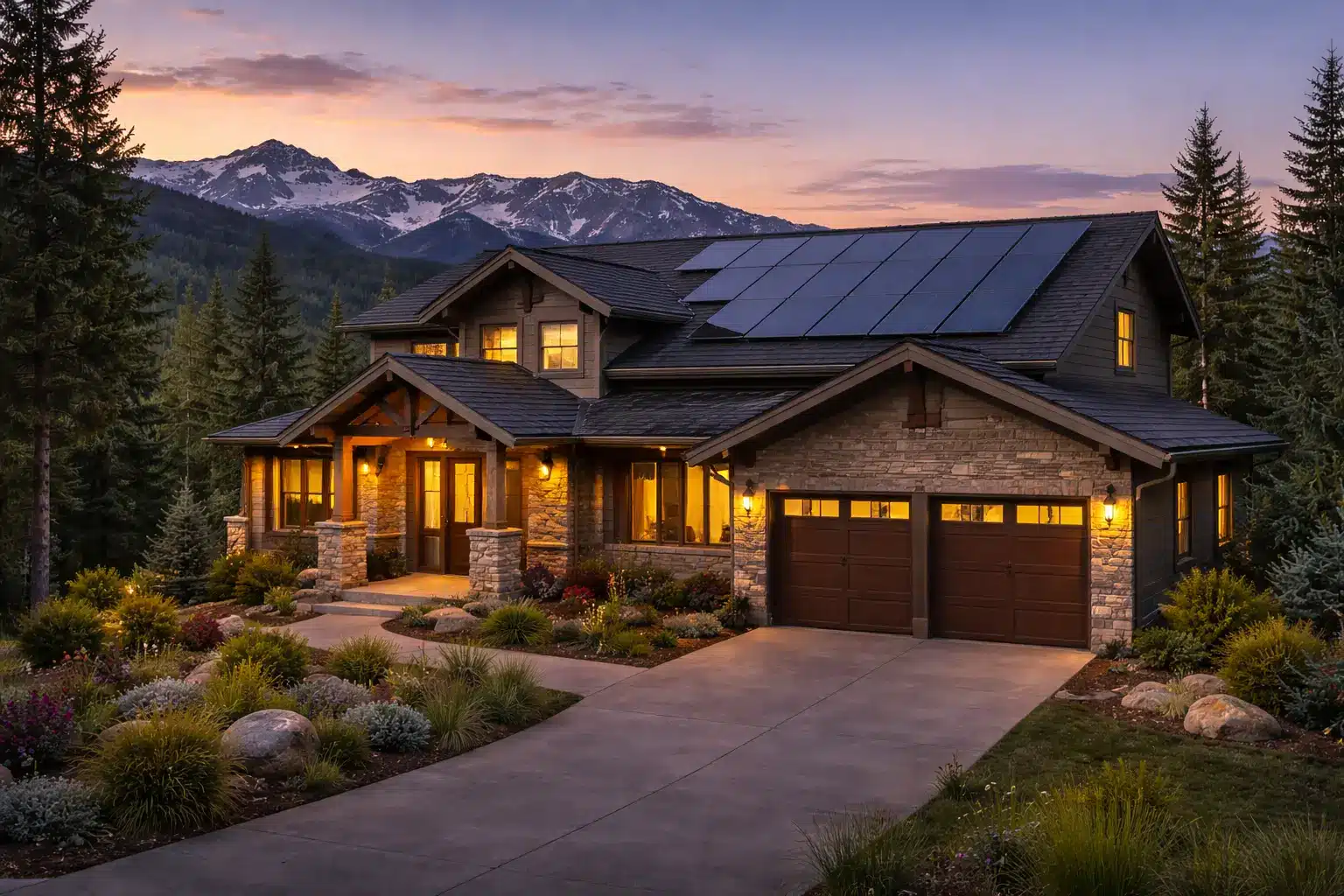
Seattle receives less sunshine than Phoenix or Los Angeles, but that doesn’t mean solar isn’t viable. Modern solar panels generate power even on cloudy days using diffuse sunlight, and Seattle’s long summer days (16+ hours of daylight in June) provide excellent production when the sun is high. From May through September, Seattle enjoys some of the best solar production in the Pacific Northwest, with minimal cloud cover and extended daylight hours that maximize energy generation.
Seattle City Light customers benefit from net metering, allowing homeowners to earn credits when their solar systems produce more energy than they consume. These credits can be banked and used to offset electricity usage during darker winter months, effectively turning the grid into a battery. Washington also offers sales tax exemption on solar equipment, reducing upfront installation costs by 10% or more.
Seattle’s electricity rates are moderate compared to cities like San Francisco or Boston, but they’ve been trending upward as Seattle City Light invests in grid modernization and renewable energy infrastructure. For homeowners committed to reducing their carbon footprint — and Seattle leads the nation in environmental consciousness — solar aligns perfectly with the city’s values. Seattle’s 2030 District and citywide climate action goals have created a culture where rooftop solar is increasingly seen as both environmentally responsible and financially smart.
Seattle’s temperate climate is also ideal for solar panel longevity. Unlike desert climates where extreme heat degrades panels faster, Seattle’s mild temperatures actually help panels last longer and perform more efficiently. Solar panels work better in cooler temperatures, meaning Seattle’s typical 70°F summer days are more efficient than Arizona’s 110°F scorchers.
While Seattle’s grid is generally reliable, the city isn’t immune to outages. Windstorms, ice storms, and occasional severe weather can disrupt power, particularly in neighborhoods with overhead lines. Pairing solar with battery backup provides energy security during grid failures, keeping essential systems running — refrigeration, medical devices, internet, heating systems — when the power goes out. For Seattle homeowners in areas prone to windstorm damage or those simply wanting energy independence, solar + storage offers both environmental benefits and practical resilience.