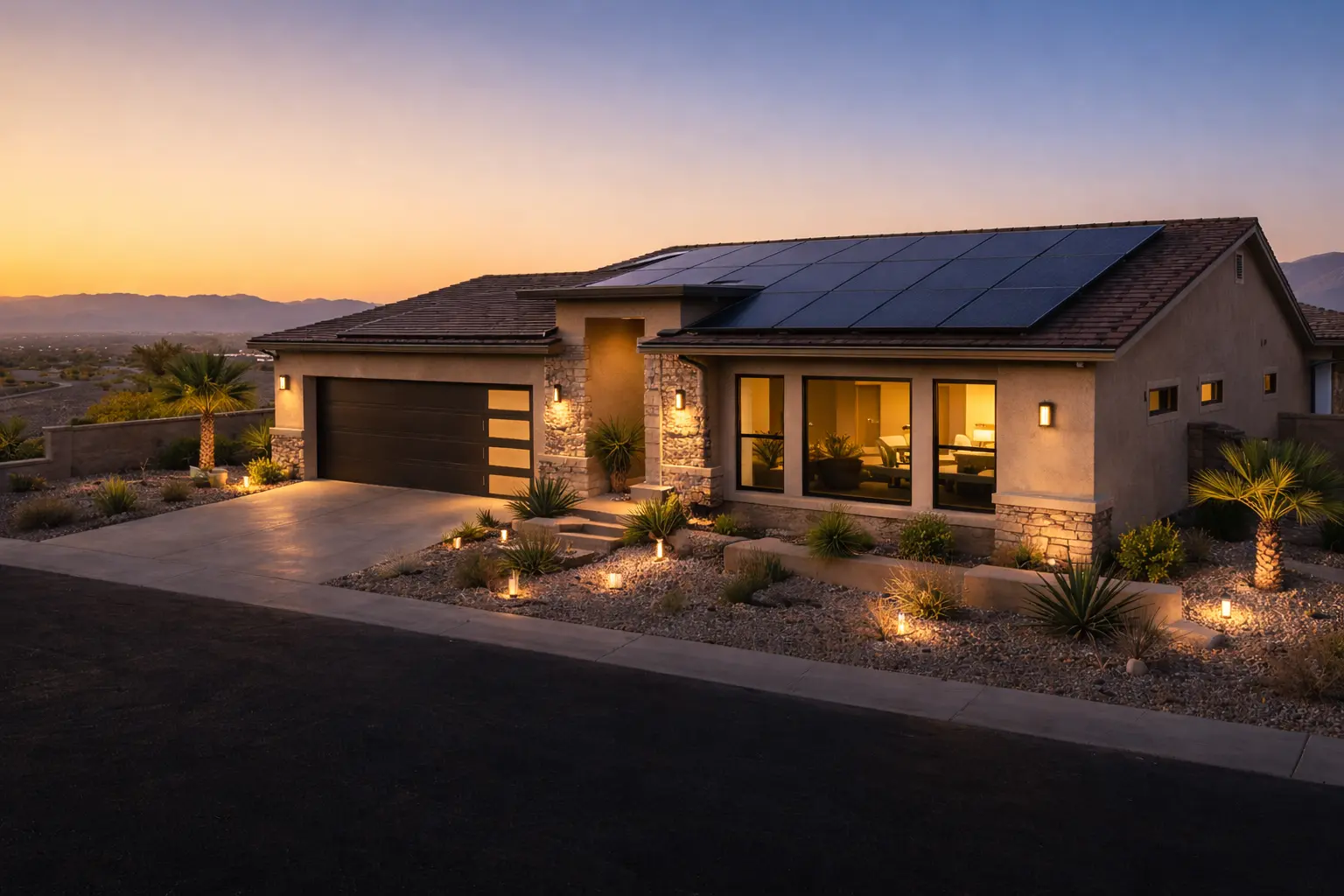
Solar Installers in San Bernardino, CA

San Bernardino sits in one of the sunniest counties in the United States with over 300 sunny days a year, and its residents face some of the highest electricity bills in the Inland Empire — averaging $365/month at roughly 38¢/kWh, nearly double the national average. That combination drives some of the most compelling solar economics in Southern California, with payback periods under six years for many homeowners. San Bernardino is served by Southern California Edison (SCE) and subject to NEM 3.0 — which means battery storage is increasingly central to a well-designed system. The city is also home to many qualifying disadvantaged communities, making it one of the strongest markets in California for income-based solar incentive programs.

Is Solar Worth It in San Bernardino?

At $0.38/kWh, San Bernardino electricity rates are among the highest in California — more than double the national average. Combined with 300+ sunny days and strong Inland Empire sun intensity, solar delivers faster payback here than in most California cities. Under NEM 3.0, the focus shifts from exporting to self-consuming as much solar as possible and using battery storage to cover SCE’s peak hours. Key factors shaping your outcome:
– Monthly SCE bills and summer air conditioning load (Inland Empire heat drives high summer usage)
– Battery storage to avoid SCE’s 4–9 PM peak pricing and maximize self-consumption
– Whether your household qualifies for DAC-SASH or SGIP Equity programs, which can dramatically reduce or eliminate upfront costs
– Roof condition and orientation — flat or south/west-facing roofs perform best

Utility Overview for San Bernardino

San Bernardino is served by Southern California Edison (SCE), one of California’s three investor-owned utilities subject to NEM 3.0.

*Southern California Edison (SCE) — NEM 3.0*
Under NEM 3.0 (also called the Solar Billing Plan), which took effect April 15, 2023, SCE credits excess solar exports at avoided-cost rates averaging $0.05–$0.08/kWh — a 75% reduction from the retail-rate credits of NEM 2.0. All new solar customers are placed on SCE’s time-of-use rate plan (E-ELEC), with peak pricing from 4–9 PM daily. At the end of each 12-month billing cycle, SCE issues an annual True-Up statement reconciling credits and charges; any remaining surplus credits are paid out at the Net Surplus Compensation Rate. Homeowners who received Permission to Operate before April 15, 2023 are grandfathered on NEM 2.0 for 20 years. A one-time interconnection application is required through SCE.

*Key implication for San Bernardino:* High electricity rates at $0.38/kWh mean every kWh of solar you consume directly saves nearly four times what you’d earn by exporting it under NEM 3.0’s avoided-cost structure. Battery storage — storing daytime solar for evening discharge during SCE’s 4–9 PM peak — is the most effective way to maximize savings under this structure.

What Solar Costs in San Bernardino

San Bernardino solar installation costs are competitive with the broader Inland Empire market, typically $2.25–$2.75 per watt. A typical 7–8kW system runs $16,000–$22,000 before incentives. Permitting is handled by the City of San Bernardino’s Development Services department; straightforward residential solar permits typically take 1–2 weeks. Total timeline from contract to SCE Permission to Operate generally runs 8–12 weeks. For income-qualified homeowners in San Bernardino’s designated disadvantaged communities, the DAC-SASH program can reduce or eliminate upfront system costs entirely — making this one of the most accessible solar markets in California for low-income households.

Frequently Asked Questions

Under NEM 3.0, SCE pays $0.05–$0.08/kWh for excess solar exports — far below San Bernardino’s average retail rate of ~$0.38/kWh. That gap makes self-consumption the priority. Battery storage is the key tool: storing solar produced during the day and using it during SCE’s 4–9 PM peak window means you’re offsetting $0.38/kWh grid power instead of exporting at $0.05–$0.08/kWh. Despite NEM 3.0, San Bernardino’s high rates still produce payback periods under six years for well-designed systems.
Many San Bernardino neighborhoods are designated as disadvantaged communities (DAC) under CalEnviroScreen, making qualifying homeowners eligible for DAC-SASH — a state program administered by GRID Alternatives that provides free or heavily subsidized rooftop solar to income-qualified homeowners. To qualify, you must own and occupy your home, be a CARE or FERA income-eligible SCE customer, and live in a DAC-designated area. Combined with SGIP Equity Resiliency battery rebates, qualifying households can access up to $28,500 in combined incentives — often covering the full cost of solar plus storage.
SCE customers in San Bernardino can access California’s SGIP (Self-Generation Incentive Program) battery rebates. Standard residential SGIP rebates are available to all SCE customers. Higher-tier SGIP Equity and Equity Resiliency rebates — up to $850–$1,000 per kWh of storage — are available for customers in DAC-designated areas, those on CARE/FERA, households in high fire-threat zones, or those with medical baseline needs. These enhanced rebates make battery storage significantly more accessible for San Bernardino homeowners.
City of San Bernardino residential solar permits are handled through the Development Services department. Straightforward rooftop solar systems typically receive permit approval within 1–2 weeks. After installation passes city inspection, SCE issues Permission to Operate (PTO) to activate the system. Total timeline from signed contract to activation typically runs 8–12 weeks, accounting for design, permitting, installation, inspection, and SCE interconnection processing.
San Bernardino falls within SCE’s service territory, and SCE’s rates reflect statewide cost drivers: wildfire prevention infrastructure, grid modernization investments, and California’s energy transition costs. On top of statewide rate trends, San Bernardino’s hot Inland Empire summers drive high air conditioning loads, pushing many households into higher usage tiers that carry higher per-kWh costs. This high-rate environment is actually one of the reasons solar economics are so strong here — the more you pay per kWh, the more each kWh of solar is worth.

Not sure how to compare solar companies?

Before contacting installers, read our guide on how to evaluate proposals, warranties, and long-term support.
EnergyScout Verified