Solar Installers in Phoenix, AZ

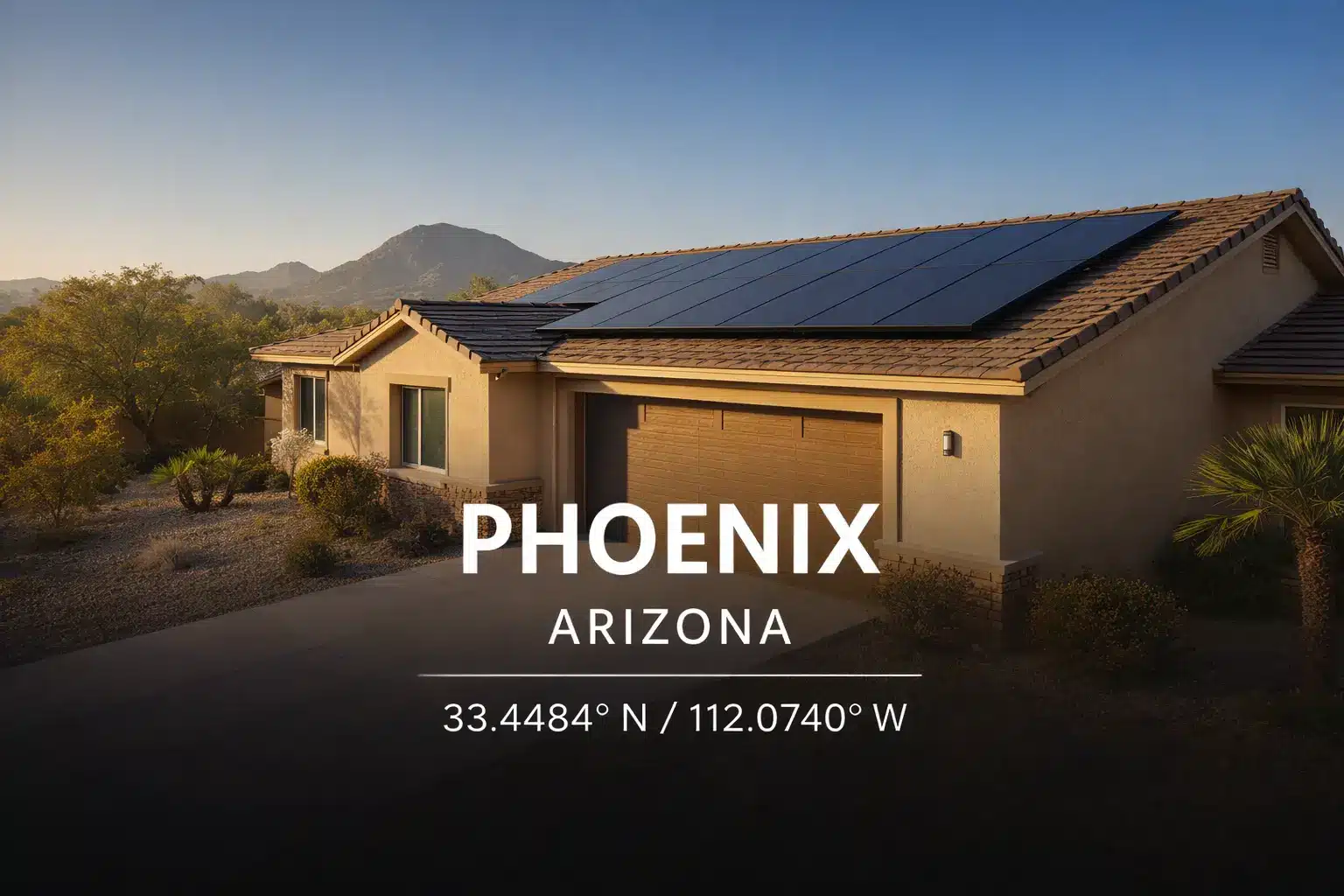
Phoenix ranks among the top solar markets in the country — not just because of the sun, but because of what electricity costs here. APS and SRP rate structures make timing and system design critical, and the right installer makes a significant difference in long-term results.

Is Solar Worth It in Phoenix?

With 300+ sunny days per year and summer cooling bills that can run $300–$500/month, Phoenix homeowners have strong economic reasons to evaluate solar. The case isn’t automatic — it depends heavily on which utility serves your home and how your usage aligns with time-of-use pricing — but for most households, the numbers are worth running seriously.
Key factors that shape your outcome:

Which utility serves your address (APS or SRP)
Roof orientation, age, and shading
Whether battery storage makes sense for your rate plan
Your average monthly usage and peak usage hours

Utility Overview for Phoenix

Understanding your utility is the single most important factor in evaluating solar in Phoenix. APS and SRP operate differently, and system design should reflect that.
Arizona Public Service (APS)
APS offers time-of-use rate plans for solar customers, meaning the value of your solar production depends on when it’s generated. Export credits are available for excess energy sent to the grid, though rates have shifted in recent years. Interconnection approval is required before your system can activate.
Salt River Project (SRP)
SRP uses a demand-based rate structure, which is less favorable for standard solar-only systems. Export compensation is available but lower than APS. Battery storage is often more financially justifiable under SRP rate plans, as it allows homeowners to avoid demand charges during peak periods.
Bottom line: Two identical systems on identical homes — one on APS, one on SRP — can produce meaningfully different financial outcomes. Always ask your installer to model your specific utility rate plan before signing.

What Solar Costs in Phoenix

Most residential systems in Phoenix range from 6kW–10kW, with pricing varying by equipment, roof type, and installer. Battery storage is increasingly common given peak demand pricing under both utilities.
Common financing paths include cash purchase, solar loans, and lease/PPA arrangements. Before comparing price per watt across quotes, evaluate projected annual production, how the system aligns with your rate plan, warranty terms, and the installer’s service track record.

Frequently Asked Questions

APS time-of-use plans reward production during peak hours, which aligns reasonably well with solar generation. SRP’s demand-based structure is more complex — savings depend on whether you can reduce your peak demand, which often requires a battery.
For SRP customers, battery storage often pencils out because it directly addresses demand charges. For APS customers, it’s more situation-dependent — backup power value and rate plan specifics both factor in.
City of Phoenix permits typically process within 2–4 weeks. Your installer handles submission, but timeline can vary during high-volume periods.
Tile, asphalt shingle, and flat foam roofs are all common. Tile roofs require additional mounting hardware and labor. Flat roofs offer flexibility in panel orientation. High heat exposure also affects inverter placement — a well-designed system accounts for ventilation and equipment location.
Neither APS nor SRP offers traditional 1:1 net metering. Both utilities provide export compensation programs, but credit rates are below retail — which is part of why battery storage has become more common in the Phoenix market.

Not sure how to compare solar companies?

Before contacting installers, read our guide on how to evaluate proposals, warranties, and long-term support.
Learn More
Learn More
Learn More
Learn More
Learn More
Learn More
Learn More
Learn More
Learn More
Learn More
Learn More
Learn More
Learn More
Learn More