
First: It’s Usually Not the Panels
Solar panels themselves are remarkably reliable. When a system underperforms, the root cause is usually something else:
- Layout or array design decisions
- Shading that wasn’t fully accounted for
- Inverter or optimizer mismatches
- Installation workmanship issues
Understanding why your system behaves the way it does is the first step toward improving it — or deciding whether improvement even makes sense.
Common Design Issues (and What You Can Do About Them)
1. Heavy or Unexpected Shading
Shading from trees, chimneys, or nearby buildings can significantly impact performance — especially during peak production hours.
What to check:
- Does shading hit panels during peak midday sun?
- Does one shaded panel affect an entire string?
- Has shading changed since installation (tree growth, new construction)?
What you can do:
- Review production data by time of day
- Request a professional shading analysis
- In some cases, adding panel-level optimization or relocating a few panels can meaningfully improve output
2. Small or Mismatched Sub-Arrays on a String Inverter
If panels are split across multiple roof faces but tied into a single string inverter, the system may struggle to operate efficiently.
What to check:
- Does your inverter frequently drop offline or show low-voltage warnings?
- Are east- and west-facing panels electrically grouped together?
What you can do:
- Have a solar professional review the electrical configuration
- Re-stringing panels or adding optimizers may help
- In older systems, upgrading the inverter may be worth evaluating
3. Panels That Stick Out or Look “Forced”
Panels extending above rooflines or arranged awkwardly often signal design compromises.
What to check:
- Do panels extend beyond roof edges or ridgelines?
- Are some panels placed in clearly suboptimal locations?
What you can do:
- Ask whether removing or relocating one or two panels would improve overall performance and aesthetics
- Small layout adjustments can sometimes create a cleaner design with minimal production loss
4. Panels Tilted Off the Roof Plane
Tilt frames aren’t inherently wrong — but on most residential roofs, they’re rarely necessary.
What to check:
- Are tilt racks creating unnecessary wind exposure?
- Has the performance gain matched what was originally projected?
What you can do:
- Compare modeled production to actual output
- In some cases, flattening panels can improve long-term reliability without meaningfully reducing energy production
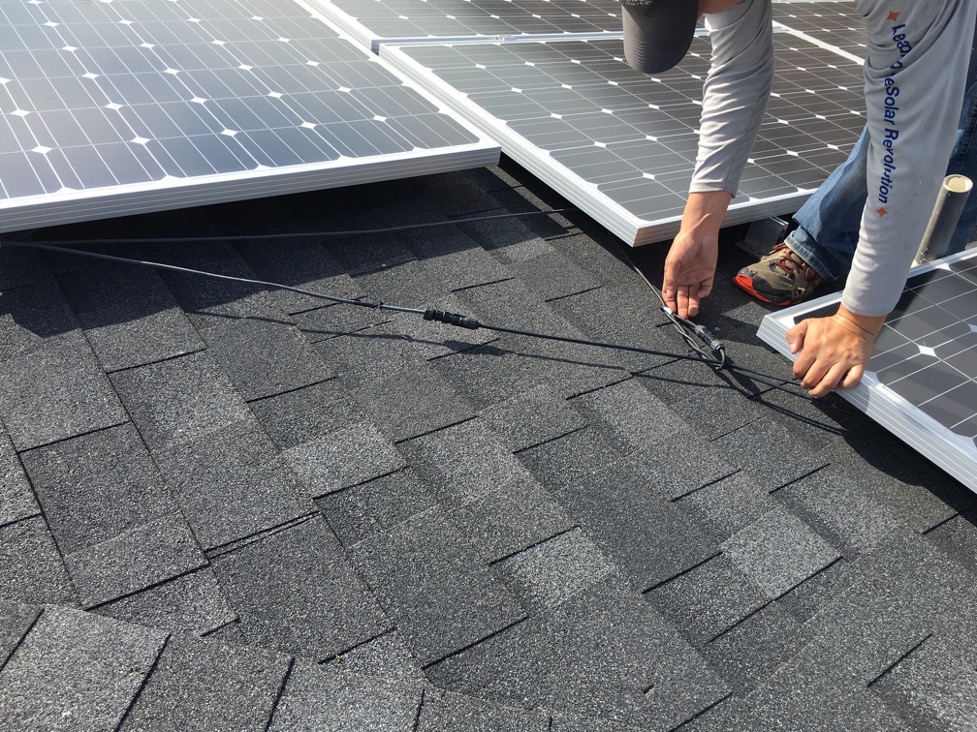
5. Messy Wiring or Conduit Runs
Poor wire management isn’t just cosmetic — it can signal larger workmanship issues.
What to check:
- Exposed wiring beneath panels
- Conduit running across visible roof sections
- Roof penetrations that appear poorly sealed
What you can do:
- Request a workmanship inspection
- Address issues early to prevent roof or electrical problems later
If You Bought a Home With an Existing Solar System
Inherited solar systems are common — and they often come with incomplete documentation.
Start by:
- Identifying the inverter brand and model
- Securing monitoring access (or requesting it from the manufacturer)
- Locating any available permits or inspection records
If you can reach the original installer, they’re often the most efficient first call. If not, an experienced local service provider can typically step in.
Get More Than One Professional Opinion
Solar design decisions aren’t always black and white.
If you suspect design or installation issues:
- Speak with two or three independent installers
- Ask each to explain what they would change — and why
- Compare recommendations carefully
Multiple perspectives help you avoid unnecessary upgrades while uncovering legitimate improvement opportunities.
When It Makes Sense to Make Changes — and When It Doesn’t
Not every flaw requires fixing.
Sometimes:
- The cost of improvement outweighs the benefit
- The system is “good enough” for its age
- Adjusting expectations is the smartest path forward
The goal isn’t perfection. It’s alignment — between your system’s capabilities, your energy needs, and your long-term plans.
A trustworthy installer should help you separate true performance issues from cosmetic concerns, and upgrades from upsells.