
With rising utility rates and solid summer sunshine, Wisconsin homeowners are discovering the long-term value of solar. The state supports renewable energy through net metering and utility rebates, and modern solar tech performs well even in snow. Whether you’re in Madison, Milwaukee, or the Northwoods, solar helps you save while preparing your home for the future.
Choosing the right installer matters just as much as choosing to go solar in the first place — the difference between a company that’s licensed, experienced with Wisconsin’s Focus on Energy rebate and utility-specific net metering rules, and backed by a real workmanship warranty and one that isn’t can add up to thousands of dollars over the life of your system. Below, you’ll find Wisconsin’s solar companies compared side by side, including which ones have completed EnergyScout’s verification process, so you can start your search with a shorter, more confident list.
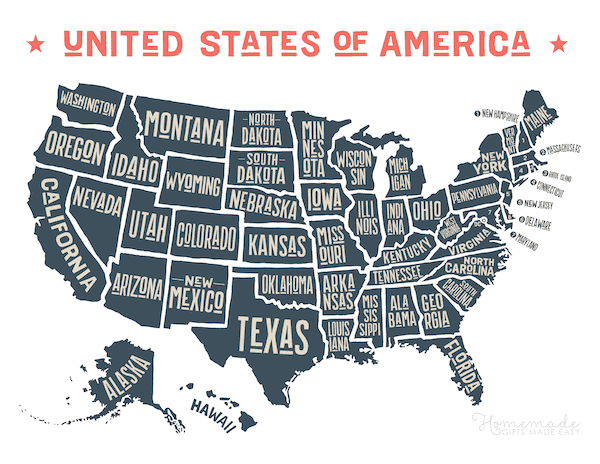
EnergyScout tracks local and national solar companies serving homeowners throughout the state. Use the directory below to compare installers based on experience, service area, products, certifications, and other company information.
Companies displaying the EnergyScout Verified badge have completed an additional review process that includes a direct interview, screening customer feedback, and providing evidence of completed installations. Verification provides another layer of information when comparing solar companies, but homeowners should still evaluate multiple installers to find the right fit for their home.
Est. 1988
Source: Solar Energy Industries Association (SEIA), State By State data, as of January 2026 — seia.org/solar-state-by-state
Wisconsin’s Solar Progress:
Wisconsin ranks #35 in residential solar and #15 in utility-scale solar installations, with nearly 3,000 MW of total capacity. The state generates about 5% of its electricity from solar, with significant growth in recent years. Wisconsin employs over 3,200 solar workers, demonstrating a mature and expanding industry. Installer networks are well-developed across Milwaukee, Madison, Green Bay, and throughout the state. Wisconsin receives good solar irradiance during spring through fall, with particularly strong production during long summer days.
Focus on Energy and Utility Programs:
Wisconsin’s Focus on Energy program provides rebates and incentives for solar installations, helping reduce upfront costs (subject to funding availability). The state offers net metering through most utilities, allowing homeowners to earn credits when their systems produce excess energy. Wisconsin also provides sales tax exemption on solar equipment and property tax exemption in many localities. Wisconsin electricity rates are moderate but rising (typically $0.13-$0.16 per kWh), and with solid solar production during warmer months, systems deliver reasonable returns. Most Wisconsin solar systems achieve payback within 11-15 years.
Cold Weather Performance:
Wisconsin experiences harsh winters with heavy snow, cold temperatures, and shorter days. Solar panels actually perform more efficiently in cold weather — they lose efficiency in extreme heat, not cold. Wisconsin’s challenge is snow accumulation, which can temporarily reduce production until snow slides off or melts. Long summer days (15+ hours of sunlight) provide excellent production when the sun is high. Wisconsin also faces severe weather including ice storms, lake-effect snow, and summer storms that can cause power outages. Solar + battery systems provide energy security during grid failures. For Wisconsin homeowners looking to reduce electricity costs and build resilience against harsh weather, solar offers reliable long-term value.