
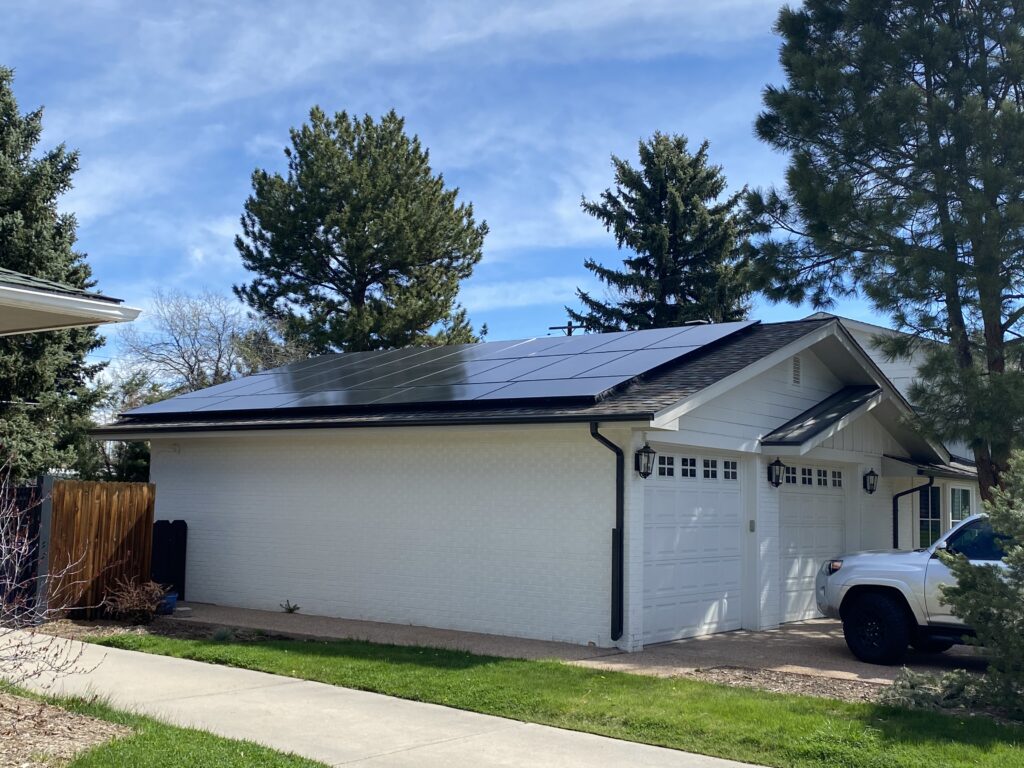
Solar panels can feel mysterious at first. They sit quietly on your roof, produce energy without moving parts, and somehow lower your electric bill. But once you understand the basics of how solar panels work, the technology becomes surprisingly straightforward.
This guide breaks down how residential solar panels turn sunlight into usable electricity for your home, step by step.
The Big Picture: Turning Sunlight Into Electricity
At a high level, solar panels work by:
- Capturing sunlight
- Converting it into electrical energy
- Delivering that energy to power your home
- Sending any excess back to the grid or into a battery
This entire process happens automatically every day the sun shines.
Step 1: Solar Panels Capture Sunlight
Solar panels are made up of many individual solar cells, typically made from silicon. These cells are designed to absorb sunlight, not reflect it.
When sunlight hits the panel:
- Light particles (photons) strike the solar cells
- That energy excites electrons inside the silicon
- The movement of electrons creates an electrical charge
This is known as the photovoltaic effect, which is the fundamental principle behind all solar panels.
Step 2: Panels Generate Direct Current (DC) Electricity
The electricity created by solar panels is direct current (DC) electricity. DC power flows in a single direction and is commonly used in batteries and small electronics.
However, most homes run on alternating current (AC) electricity. That’s where the inverter comes in.
Step 3: The Inverter Converts DC to AC Power
Your solar system includes an inverter, which converts DC electricity from the panels into AC electricity your home can use.
There are a few common inverter configurations:
- String inverters: One central inverter for multiple panels
- Microinverters: Small inverters attached to each panel
- Power optimizers: A hybrid approach combining panel-level control with a central inverter
Once converted to AC, the electricity is ready to power your home.
Step 4: Solar Powers Your Home First
After conversion, solar electricity flows into your home’s electrical panel and is used to power whatever is running at that moment:
- Lights
- Appliances
- HVAC systems
- Electronics
Your home automatically uses solar energy before pulling power from the utility grid.
Step 5: What Happens to Extra Solar Energy?
If your solar system produces more electricity than your home is using, the excess energy goes one of two places:
Option 1: Sent Back to the Grid
Most homes are connected to the utility grid. Extra solar energy flows back through your meter, often earning bill credits through a process called net metering (rules vary by utility and state).
Option 2: Stored in a Battery
If your home has a battery, excess energy can be stored for later use, such as:
- Nighttime power
- Outages
- Peak utility rate periods
Do Solar Panels Work on Cloudy Days?
Yes. Solar panels still produce electricity on cloudy days, just at reduced levels. They rely on daylight, not direct heat or constant sunshine.
Production is highest on clear days but continues year-round in most climates.
What Affects How Much Power Solar Panels Produce?
Several factors influence solar performance:
- Roof orientation and tilt
- Shade from trees or nearby buildings
- Panel efficiency and age
- Local climate and seasonal daylight
- System design and inverter type
A well-designed system accounts for these variables upfront.
Why Understanding This Matters
Knowing how solar panels work helps you:
- Ask better questions when comparing installers
- Understand system proposals and layouts
- Spot potential design or performance issues
- Make informed decisions about batteries and monitoring
Solar isn’t magic. It’s proven technology that works best when it’s designed thoughtfully for your home.
What’s Next?
If you want to go deeper, explore our Solar 101 guide, where we cover:
- Solar equipment types
- System design basics
- Monitoring and maintenance
- Common homeowner questions
Understanding the fundamentals is the first step toward confidence in your solar journey.