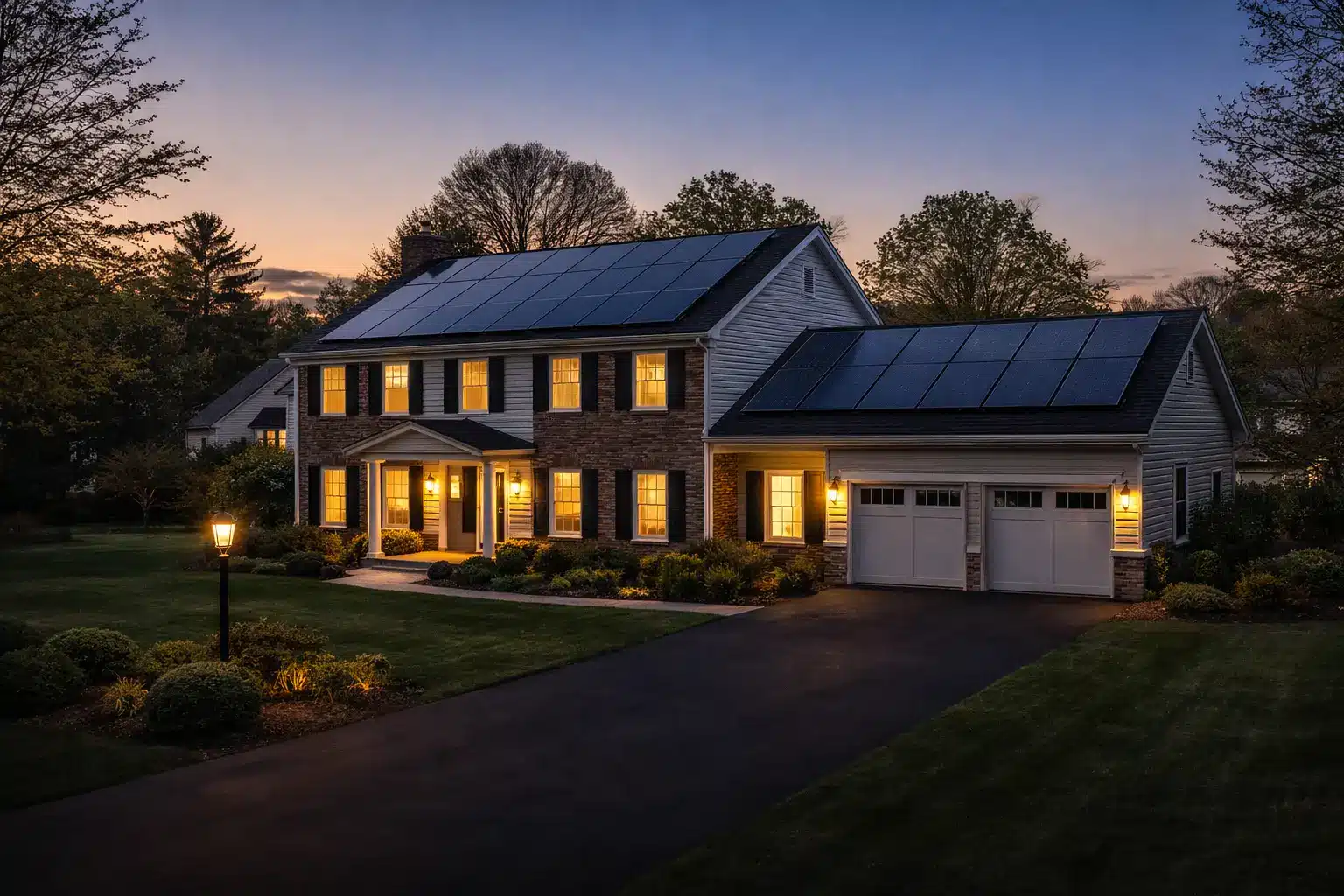
Solar Panels in New Orleans: A Better Net Metering Deal Than the Rest of Louisiana

New Orleans occupies a genuinely unusual position in the Louisiana solar landscape. The state gutted full retail net metering for most customers in 2019, switching to an avoided-cost buyback structure that pays Entergy Louisiana customers roughly 2–3 cents per kilowatt-hour for exported energy — about a quarter of what they pay to buy it back. But New Orleans is different. Entergy New Orleans is regulated by the New Orleans City Council, not the Louisiana Public Service Commission, and the City Council retained full retail net metering for Orleans Parish customers after the statewide rollback. That regulatory carve-out makes New Orleans one of the stronger solar markets in the South. The city’s electricity rate runs around 12–14 cents per kilowatt-hour — low by national standards — but high electricity consumption driven by summer air conditioning, a strong solar resource, and the net metering advantage combine to make solar a sound long-term investment for most homeowners who own their property.

How Entergy New Orleans Net Metering Works — and Why It Matters

Full retail net metering means that every kilowatt-hour your solar panels produce and send to the grid offsets a kilowatt-hour you would otherwise buy from Entergy at full retail price. In New Orleans, excess generation rolls forward month to month as a kilowatt-hour credit on your next bill. At minimum, you pay Entergy New Orleans’s customer charge of approximately $8 per month — you cannot go below zero on your bill, but monthly carry-forward credits mean you can bank summer production to offset winter months when production dips. If you end your service with credits remaining, Entergy pays out the balance at avoided cost. This is meaningfully better than what most Louisiana customers outside Orleans Parish receive. Entergy Louisiana customers under the 2020 rules pay the full retail rate for everything they consume and receive only 2–3 cents per kilowatt-hour credit for what they export — a structure that makes large systems with significant export difficult to justify financially. For New Orleans customers, the math is simply different: your exports are worth the same as your consumption savings, which means right-sizing a system to cover 100% of your annual consumption makes straightforward financial sense. The interconnection fee for residential customers is $50.

New Orleans Solar Considerations: High Consumption, Insurance Complexity, and Resilience

Three practical factors shape solar decisions in New Orleans that don’t apply everywhere. First, electricity consumption here is among the highest in the country — Louisiana ranks first nationally in average residential monthly usage, driven by relentless summer cooling loads. The average New Orleans homeowner on EnergySage uses roughly 1,600 kWh per month and spends around $169–$233 per month. That consumption level means the average system needed to offset 100% of annual usage is large — approximately 11–13 kW — which pushes sticker prices higher than national averages even before considering storm hardening. Second, Louisiana’s insurance market has become one of the most difficult in the country. Multiple insurers have exited the state following repeated hurricane seasons, and remaining carriers have raised premiums significantly. Adding solar increases a home’s replacement value, which can raise dwelling coverage limits and premiums further. Prospective buyers should contact their insurer before installation to understand coverage terms, particularly for wind and hail damage, which are the most common solar damage events in the region. Some carriers now require a separate wind/hail endorsement for solar equipment in coastal Louisiana. Third, hurricane resilience is a real factor in New Orleans. A grid-tied solar system without battery shuts off automatically during grid outages — standard safety behavior that is cold comfort during a multi-day post-hurricane blackout. Battery storage keeps your home powered through outages and is an increasingly common pairing in New Orleans given the area’s storm history.

New Orleans Solar Costs and the Financial Case Without the Federal Tax Credit

As of early 2026, the average New Orleans solar installation costs approximately $2.60 per watt installed — lower than the national average and notably below Hawaii or California prices. A typical 11.5 kW system (sized for high Louisiana consumption) runs around $29,900 before incentives. Louisiana does not offer a state solar tax credit, and the federal residential solar tax credit (Section 25D) expired December 31, 2025 and is not available for systems installed in 2026. There is no sales tax exemption for solar in Louisiana, and no dedicated residential battery incentive. What New Orleans does offer is the Finance Authority of New Orleans, which since 2019 has provided loans exclusively to properties installing solar, energy efficiency upgrades, or resilience improvements — a financing option worth investigating, particularly for homeowners who want to avoid private solar loan products. EnergySage puts New Orleans payback at approximately 9.9 years for EnergySage shoppers, though the absence of the federal tax credit pushes that figure higher for 2026 installations — analysts estimate a 22+ year payback without the credit at current rates, which improves meaningfully if Entergy rates rise over time. The straightforward financial case for New Orleans solar depends heavily on your current monthly bill, your roof’s solar potential, and whether you view battery storage as a necessary component for storm resilience.


Frequently Asked Questions

New Orleans is a notable exception to Louisiana’s 2020 net metering rollback. The Louisiana Public Service Commission switched most of the state’s customers to an avoided-cost billing structure in 2020, which means Entergy Louisiana customers outside Orleans Parish receive only about 2–3 cents per kilowatt-hour credit for energy exported to the grid — roughly a quarter of what they pay for grid electricity. Entergy New Orleans, however, is regulated by the New Orleans City Council, not the LPSC. The City Council retained full retail net metering for Orleans Parish customers. That means your exported kilowatt-hours offset grid purchases at the same rate you pay — around 12–14 cents. Excess credits carry forward month to month, and you pay a minimum customer charge of approximately $8 per month. This retail-rate offset structure makes system sizing to cover your full annual consumption financially rational in a way it isn’t for most of the rest of the state.
Louisiana’s homeowners insurance market has been significantly disrupted by recent hurricane seasons, with multiple carriers exiting the state and premiums rising sharply. Adding solar increases your home’s replacement value, which can trigger a higher dwelling coverage limit and corresponding premium increase. In coastal and hurricane-exposed areas like New Orleans, some insurers now require a separate wind and hail endorsement for solar equipment, or exclude it from standard wind coverage. Before installing solar in New Orleans, you should contact your insurer to understand exactly how solar panels will be treated under your policy — covered perils, applicable deductibles (hurricane deductibles are often higher than standard deductibles), and whether your current coverage limits are adequate. Choosing a certified local installer who mounts panels to hurricane-rated specifications matters more here than in most markets.
As of early 2026, the average New Orleans installation runs approximately $2.60 per watt — lower than much of the country. A typical 11–13 kW system needed to cover New Orleans’s high consumption averages around $29,900–$33,800 before incentives. Louisiana offers no state solar tax credit, and the federal Section 25D credit expired December 31, 2025. Without the federal credit, payback periods are longer — analysts estimate 18–23 years at current rates and consumption levels, with significant improvement if electricity rates rise over time (which is historically consistent). Homeowners who installed before 2026 and captured the 30% federal credit had payback periods closer to 10 years. The Finance Authority of New Orleans offers solar-linked financing worth exploring as an alternative to private solar loans.
For New Orleans homeowners, battery storage is less about financial optimization and more about hurricane resilience — and that’s a genuinely compelling reason on its own. A standard grid-tied solar system shuts off automatically during grid outages for safety reasons; battery storage is the only way to keep your home powered when the grid is down. Given New Orleans’s history with extended post-hurricane blackouts, many homeowners view battery as a necessary component rather than an optional upgrade. Louisiana offers no dedicated residential battery incentive, and the federal battery storage credit (previously available under Section 25D) also expired December 31, 2025. The added cost of battery storage further extends payback periods, so the financial case for storage stands primarily on resilience value rather than export rate arbitrage.
The Finance Authority of New Orleans (FANO) shifted its lending model in 2019 to focus exclusively on properties installing solar, energy efficiency upgrades, or resilience improvements — including solar panels, insulation, storm windows, and battery storage. FANO loans are a worth-investigating alternative to private solar loan products, particularly because they are locally administered and designed specifically for the New Orleans market. Terms, availability, and eligibility requirements can change, so contact FANO directly or check their current program details before assuming availability. For homeowners who want to own rather than lease their system and avoid the higher interest rates sometimes attached to private solar loans, FANO is a starting point for financing research.

Not sure how to compare solar companies?

Before contacting installers, read our guide on how to evaluate proposals, warranties, and long-term support.
Learn More
Learn More
Learn More
Learn More