
Understand What You Can Upgrade
Solar systems are modular. You don’t have to replace everything to improve performance.
Common upgrade paths include:
- Adding more panels to your existing array (if you have roof space and inverter capacity)
- Installing a separate, second solar system that operates independently
- Replacing your inverter while keeping your panels
- Adding battery storage for backup power or time-of-use optimization
- Installing an EV charger that integrates with your solar production
- Upgrading monitoring systems for better visibility into production and usage
Many homeowners operate multiple independent systems on the same property — for example, a legacy leased system alongside a newer purchased system. These systems operate separately but can collectively meet your energy needs.
Before upgrading, identify which components are performing well and which are limiting your system’s potential.
Evaluate What’s Driving the Need
Upgrades make sense when something specific has changed.
Ask yourself:
- Has your energy usage increased significantly (EV, heat pump, pool, home office)?
- Is your inverter failing, outdated, or unsupported?
- Do you want backup power during outages?
- Are you hitting the production limits of your current system?
- Has your utility shifted to time-of-use rates that favor battery storage?
- Do you have unused roof space that could generate more power?
If your system is meeting your needs and functioning reliably, an upgrade may not provide enough return to justify the cost.
If one component is failing but the rest of the system is solid, a targeted upgrade is often the most cost-effective move.
Consider Your Roof and Site Conditions
Solar upgrades depend on practical constraints:
- Available roof space
- Roof orientation and shading
- Structural capacity
- Roof condition and remaining lifespan
If trees have grown and now shade your panels, trimming may improve production without new equipment. Compare recent production to historical averages to determine whether shading is the issue.
If your roof needs replacement soon, that’s a strategic opportunity to expand or reconfigure your system before new roofing is installed.
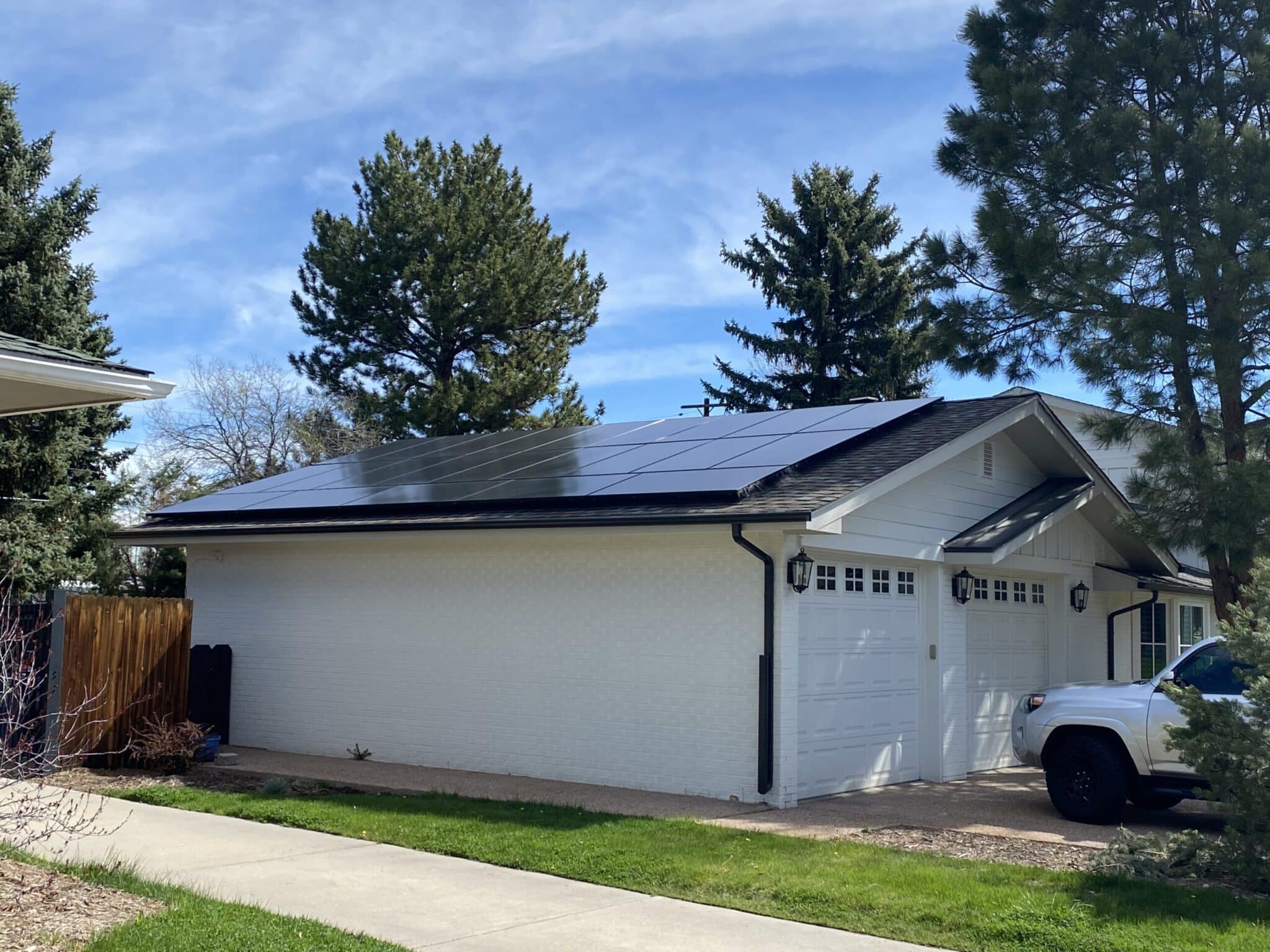
Adding a second independent system can be ideal if your existing array occupies the best roof plane and you have additional viable space elsewhere (garage, addition, detached structure).
Match Technology to Your Goals
Different upgrades solve different problems.
If you want backup power:
- Battery storage is the primary solution
- Your inverter may need to be battery-ready
- Some systems require hybrid inverters; others can add storage via AC coupling
If you want more solar production:
- Confirm whether your current inverter can handle expansion
- Verify utility interconnection and net metering limits
- Evaluate expanding your existing array versus installing a second independent system
If you want better monitoring:
- Modern inverters offer app-based monitoring and improved diagnostics
- Some monitoring upgrades don’t require panel replacement
If you’re adding an EV:
- A dedicated EV charger can integrate with solar production
- Battery storage may help optimize charging under time-of-use rates
In many cases, partial upgrades deliver what you need without replacing equipment that’s still performing well.
Run the Financial Numbers
An upgrade should make financial sense — not just technological sense.
Consider:
- Remaining life of current components
- Equipment and installation costs
- Permitting and interconnection fees
- Incentives (if applicable in your state)
- Current and projected utility rates
- How long you plan to stay in the home
If you’re adding capacity, calculate payback based on your real usage and rates.
If replacing a failing inverter, compare like-for-like replacement versus upgrading to a battery-ready model for future flexibility.
If your system is under warranty and performing well, expansion is usually smarter than early replacement.
When Full Replacement May Be the Better Move
Not every situation calls for an upgrade.
Full replacement may make more sense if:
- Panels are significantly degraded or damaged
- The system is 15—20+ years old and multiple components are failing
- The roof is being replaced and the layout is inefficient
- Major energy changes require a complete redesign
- Local utility or code changes eliminate grandfathered benefits
For deeper guidance on full removal scenarios, see our article on Replacing Your Solar System.
When Upgrading Makes the Most Sense
An upgrade is often appropriate if:
- Your inverter is failing but panels are healthy
- You want battery backup added to an existing system
- You’ve added major electrical loads
- You have additional roof space for expansion
- Your utility has shifted to time-of-use rates
- You’re supplementing a leased system you can’t modify
- One or two components need replacement while the rest are sound
If none of these apply, monitoring and maintenance may be the smarter move.